
Generator Readiness in Oregon: Plan Essential Loads First
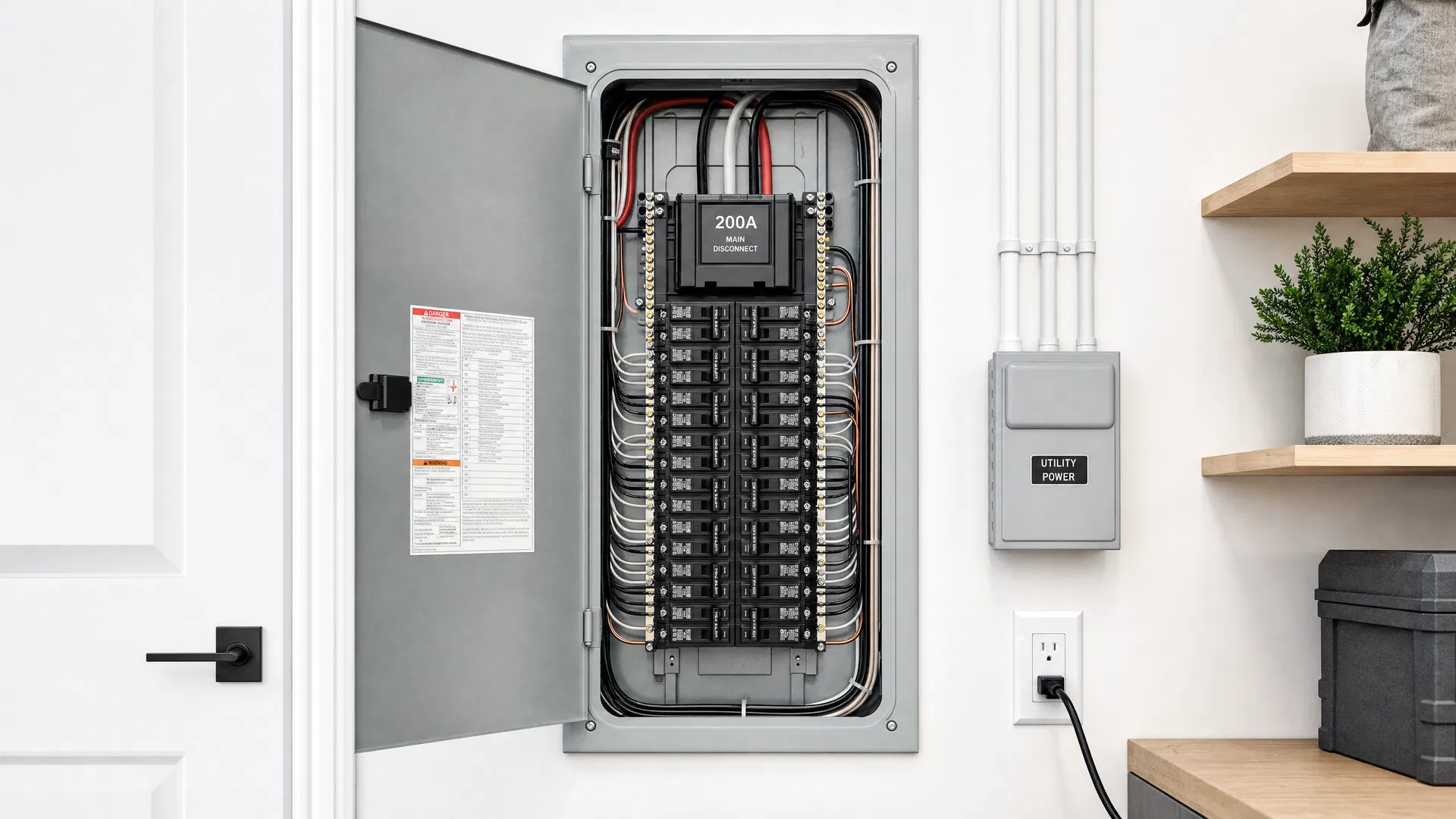
Quick answer: Start a backup-power project by deciding what must stay running during an outage, then have an electrician match those loads to the generator and connection equipment. A connection that reaches many circuits does not mean the generator can power everything at once.
- List essential appliances and identify their actual circuits.
- Review running demand and motor-starting requirements.
- Use professionally installed, permitted transfer equipment.
- Plan safe generator placement and practice the approved procedure.
Choose the Loads Your Household Actually Needs
Winter backup power is more useful when it reflects the household’s priorities. A refrigerator, selected lights, a well pump, or heating-system controls may matter more than an electric range or dryer during a short outage. Homes in Cottage Grove, Eugene, and Roseburg have different equipment and electrical layouts, so a neighbor’s generator arrangement is not automatically a good fit. Write down the appliances you consider essential, along with their model information and how long you expect to need them.
Do not assume that powering a furnace control circuit will provide every type of electric heating. Heat pumps, resistance heaters, and auxiliary heat can have very different electrical demands. Equipment that someone depends on for health or mobility needs a separate continuity plan developed with the equipment provider; household backup power should not be treated as a guarantee. Our Cottage Grove generator connection service can help translate household priorities into a practical circuit and capacity review.
Match Capacity to Running Loads and Startup Demand
A generator’s advertised peak output is not the same as its continuous capacity. Motors in pumps, refrigerators, and other equipment can need extra power when starting. An electrician should review the generator specifications alongside the connected appliances, supply voltage, and proposed transfer arrangement. Adding the numbers on panel breaker handles is not a substitute for this assessment: breaker ratings describe circuit protection, not the precise demand of every connected device.
A plan may call for operating selected appliances at different times rather than running all available circuits together. Labeling those priorities helps everyone understand the system’s limits. Oregon’s Building Codes Division generator-connection bulletin warns that overloading a portable generator can cause low voltage and damage appliances or electronics. If equipment stalls, power fluctuates, or protection trips, stop using the affected setup and seek qualified help rather than repeatedly resetting it.
Make the Connection a Permitted Electrical Project
Never try to supply the house through a dryer receptacle, an ordinary wall outlet, or a male-to-male cord. Improper backfeeding can energize utility lines and endanger people working to restore power. The Oregon bulletin explains that the electrical code requires a transfer switch or other safety devices to prevent unsafe backfeeding, and that this connection work requires a permit and a properly licensed electrician.
The appropriate equipment depends on the panel, generator, and intended operation. An interlock must be suitable for the actual panel and installed as part of a compliant system; a transfer switch has its own compatibility and installation requirements. Have the electrician review the inlet, cord, grounding and bonding arrangement, and labeling together. Property owners can discuss these details through our Roseburg generator services before purchasing connection equipment.
Practice Safe Operation Before the Power Goes Out
An electrically safe connection does not remove the exhaust hazard. The CPSC’s portable-generator safety guidance says to operate portable generators outdoors only, at least 20 feet from homes and buildings, with exhaust directed away from windows, doors, and vents. Never run one in a garage or enclosed space, even with the door open. Follow the manufacturer’s wet-weather instructions without moving the generator into an enclosure to escape the rain.
Maintain working carbon monoxide and smoke alarms and test them monthly. If an alarm sounds, get outside immediately and call 911. Before an outage, ask for a walkthrough of the installed system’s operating procedure and keep written instructions accessible. To plan capacity and connection work before the next storm, explore our professional generator installation options in Cottage Grove and contact Checkpoint Electric LLC at (541) 733-7027.
About the Author: Checkpoint Electric Team
Combined 15+ years of residential and commercial electrical experience in Eugene, Springfield, and Lane County.