
Siemens VersiCharge Installation in Oregon: Plan a Safe Level 2 Home Charger
Start With the Home Electrical System, Not the Charger Box
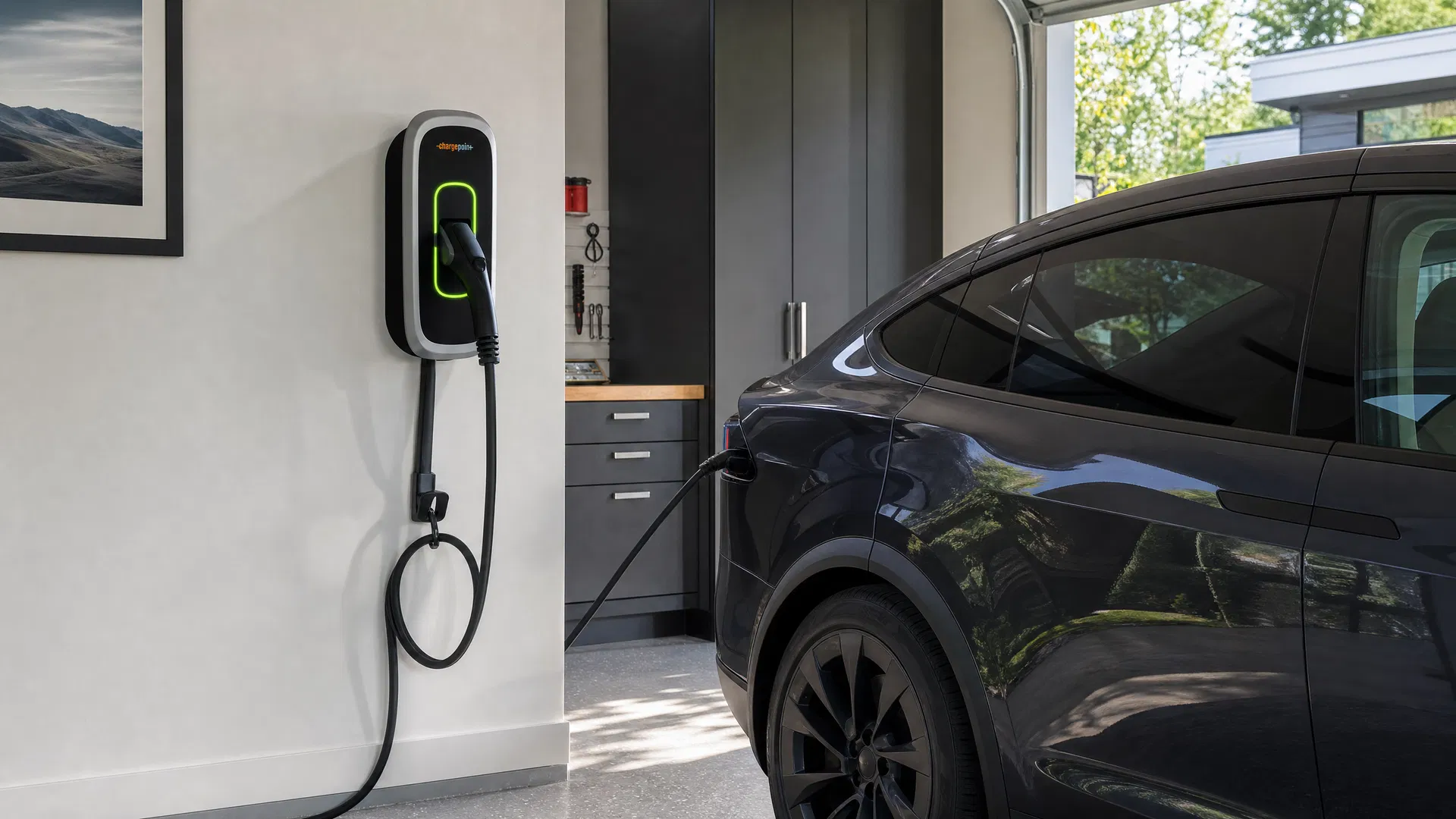
A Siemens VersiCharge can make daily EV charging more convenient, but the first step is confirming that the home can support the charger safely. A Level 2 charging station uses 240 volts and adds a sustained load to the electrical system. Before choosing an installation location or charging setting, a licensed electrician should review the available capacity at the service, the condition and space in the panel, the route for the new circuit, and the vehicle’s charging needs. That early review is especially helpful for homeowners in Eugene, Springfield, Cottage Grove, and Roseburg who may be planning other electrical work at the same time. Our Siemens VersiCharge installation service starts with that project-specific assessment so the equipment, circuit, and location work together.
Match the Dedicated Circuit to the Charger Configuration
VersiCharge equipment is offered in different configurations, and the electrical design needs to match the specific model and the charging level selected. Siemens’ installation guide identifies different branch-circuit, conductor, and hardwire requirements for its 40-amp and 48-amp models. A professional installation avoids treating all 240-volt outlets or all EV chargers as interchangeable. The electrician can determine whether a hardwired installation or a properly installed receptacle is appropriate, verify the breaker and wire sizing for the manufacturer’s instructions, and make sure the equipment is mounted where the charging cable can reach the vehicle without creating a trip or damage hazard. If a flexible plug-in solution is part of the plan, our NEMA 14-50 outlet installation service can help create a dedicated, correctly configured connection for compatible equipment.
Include Permits, Inspection, and Future Electrical Plans
EV charging is easier to plan when it is treated as part of the home’s larger electrical picture. A panel that has room today may also need to support a heat pump, kitchen remodel, shop, hot tub, or additional lighting later. Oregon’s Building Codes Division explains that homeowners or licensed electrical contractors installing charging stations should obtain required permits and inspections from the local building department. The state’s guide also recommends evaluating the electrical service, panel, and premises wiring before adding charging equipment. Review the Oregon Building Codes Division’s home EV charging guide for that official planning guidance, and consult the Siemens VersiCharge installation guide for model-specific specifications. Planning the circuit, location, and permits together helps avoid avoidable revisions once installation is underway.
Ready to plan home EV charging? Contact Checkpoint Electric LLC at (541) 733-7027 to schedule a Siemens VersiCharge or Level 2 EV charger installation consultation.

About the Author: Checkpoint Electric Team
Combined 15+ years of residential and commercial electrical experience in Eugene, Springfield, and Lane County.